
Record surge in illegal cigarettes sparks fears over crime and Britain’s high streets – NATIONAL NEWS
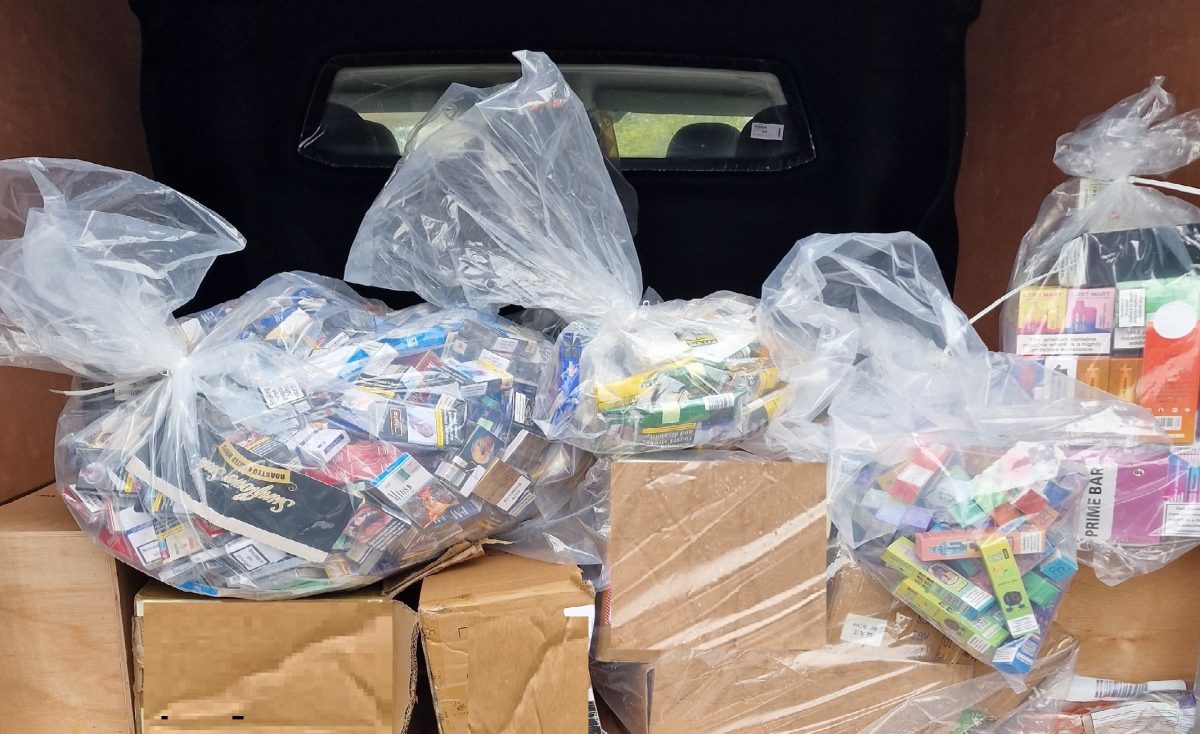
A record 1.9 billion illegal cigarettes were seized in the UK last year, prompting fresh warnings that the illicit tobacco trade is becoming increasingly embedded in Britain’s high streets.
The cigarettes seized were valued at more than £1.1 billion, while research by University College London has suggested that almost one in four cigarettes smoked in the UK may now come from the illicit market.
The figures have renewed debate over the impact of tobacco taxation, enforcement and the changing face of town centres, where concerns have grown about shops selling counterfeit or smuggled cigarettes and illegal vaping products.
Sir John Hayes, Conservative MP for South Holland and The Deepings and a former security minister, has called for stronger action against retailers involved in the trade, while arguing that high tobacco duties are helping to create a lucrative market for criminals.
A legitimate packet of 20 cigarettes currently costs an average of around £16.60, according to figures cited by Sir John, while some illicit brands can reportedly be bought for as little as £3.50. Tobacco duty is also due to rise again in October, potentially adding around £1.20 to the cost of a packet.
The scale of enforcement activity has increased significantly. HM Revenue and Customs figures show the number of illegal cigarettes seized has reached record levels, but the number of people convicted has fallen.
There were 201 arrests connected with the trade last year, according to figures highlighted by Sir John, but only 83 convictions, compared with 118 the previous year. He warned that organised criminal groups involved in illicit tobacco could be encouraged by the relatively small number of successful prosecutions.
Some criminal operations are considerably more sophisticated than the occasional sale of cheap cigarettes from behind a shop counter. Authorities have uncovered secret production facilities capable of manufacturing hundreds of thousands of cigarettes, while illegal products can also enter the country through organised smuggling networks.
There is, however, disagreement over exactly how widespread illicit smoking has become.
HMRC estimates the tobacco tax gap at 14.2 per cent, suggesting roughly one in seven cigarettes may escape the proper tax system, while the UCL research cited by Sir John puts illicit consumption considerably higher, at almost one in four. He has called for more detailed research, including empty-pack surveys, to establish a clearer picture of the market.
The issue has become increasingly linked to wider concerns about the future of Britain’s high streets.
Traditional retailers, including independent butchers, bakers, banks and post offices, have disappeared from many town centres over recent decades, while vape shops, convenience stores, barbers and mobile phone businesses have become increasingly prominent.
Although the vast majority of such businesses operate legitimately, enforcement agencies have repeatedly targeted individual premises suspected of selling illicit tobacco and vaping products.
Sir John has argued that Trading Standards departments and police forces should be given stronger powers to close businesses caught trading illegally and prevent premises simply reopening under apparent new ownership.
The Government is already proposing tougher measures.
Under recently announced planning reforms, new vape shops in England would be required to seek specific permission from local councils before opening. Ministers also want to tighten the definition of a vape shop, making it harder for businesses to avoid the rules by presenting themselves as general retailers or convenience stores.
Police and councils are also set to receive powers allowing them to close mini-marts and vape shops caught selling illegal tobacco or vaping products for up to 12 months, twice the existing maximum closure period of six months.
Supporters of tougher enforcement argue that the illicit trade does more than deprive the Treasury of revenue. Legitimate independent retailers must compete with businesses able to offer tobacco at a fraction of the legal price, while profits from black-market sales can flow into wider criminal enterprises.
At the same time, the figures are likely to intensify debate over whether repeatedly increasing tobacco duty eventually becomes counterproductive by widening the price gap between legal and illegal products.
With billions of illicit cigarettes now being seized, ministers face the challenge of balancing public health policy with effective enforcement, while ensuring legitimate high street businesses are not left competing against an increasingly valuable black market.
Comments (0)