
Council tax bills set to rise by £556 for average household by 2030, Treasury figures show – NATIONAL NEWS
Households across England could see their council tax bills rise by an average of £556 over the next four years, according to Treasury figures released through a series of parliamentary questions.
The data shows the total amount raised through council tax in England is expected to increase from £41.2bn in 2024/25 to £58.8bn by 2030/31, a rise of 43 per cent.
It is understood to be the first time the Treasury has publicly set out its own expectations for the total council tax take, with the figures having been shared with the Office for Budget Responsibility, the independent forecaster.
According to the questions, the annual rise in council tax is expected to be between 4.3 and 4.4 per cent each year up to 2030/31, above the current rate of CPI inflation, which stands at 2.6 per cent.
For an average Band D property, this would mean a rise from £2,280 in 2025/26 to around £2,836 by 2030/31, based on the Treasury’s projected annual increases.
Political reaction
The figures were seized on by the Conservatives, who described the projected increase as a “tax raid” that would affect around 25.6 million homes in England. Shadow Communities Secretary Sir James Cleverly said:
“Andy Burnham is right to want to boost growth across our communities, but his model of Manchesterism is a recipe for soaring taxes in every post code. Labour have already baked in £18bn of council tax rises, and now former Manchester mayor Burnham wants to go further and impose his high-tax regional model across England.”
Sir James also raised concerns about the government’s separate plans for fiscal devolution, due to be set out by Prime Minister Andy Burnham, arguing that extending powers used in Greater Manchester to other parts of the country could push bills up further:
“What works in Manchester won’t be the same for Essex, Cornwall or Cumbria.”
A spokesman for the Ministry of Housing, Local Government and Communities disputed the framing of the figures, saying:
“Councils have not yet set tax rates beyond this year, and it’s inaccurate to suggest so. Individual councils decide the level of council tax in their areas, taking into consideration a range of local factors, but we expect them to fully take into account the impact on taxpayers.”
Devolution plans
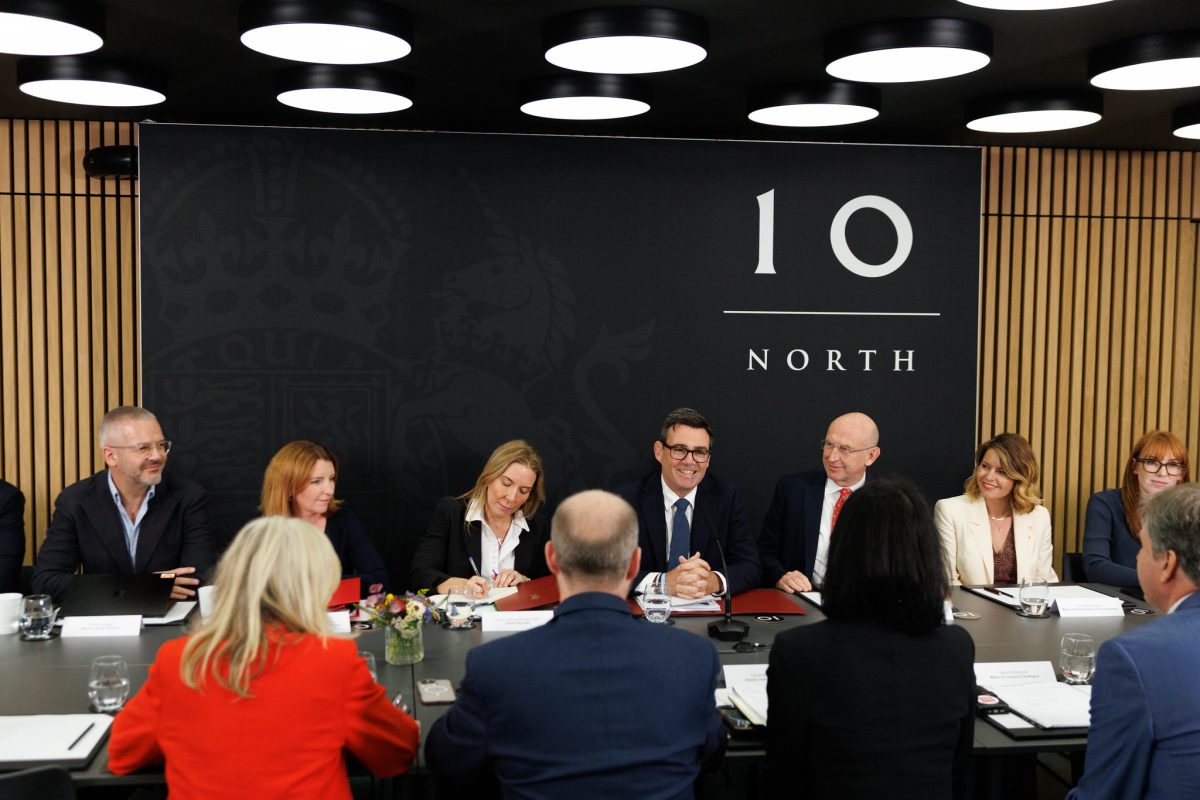
The figures come as Mr Burnham, who became Prime Minister in July after succeeding Sir Keir Starmer, prepares to announce plans to give a number of England’s regional mayors a share of income tax raised in their areas. The change would apply to the seven most senior mayoralties, six of which are currently held by Labour, including Greater Manchester, Liverpool and London.
Downing Street has said the reforms would change how income tax revenue is divided between central and local government, rather than the overall rate paid by residents, and that full details would be confirmed at the autumn Budget. Announcing the plans, Mr Burnham said:
“I said we’d take power out of Westminster and carry it into every postcode in the country. Today, we make good on that promise. Under our plans, more of the taxes raised in a community will stay in that community. Soon, every local leader will have the power and resources to improve public transport, build homes and create jobs.”
Separately, since Mr Burnham was first elected Mayor of Greater Manchester in 2017, the mayoral council tax precept for a Band D property, not including policing, has risen by 127 per cent, from £68 to £154.
Business response
Business groups said any new devolved powers should be used to address practical concerns rather than add further costs. Kate Shoesmith, director of policy at the British Chambers of Commerce, said devolved funding “must be focused on the practical barriers businesses face every day, from skills and transport to infrastructure and planning.”
What determines council tax bills
Council tax levels in England are set locally each year by individual billing authorities, within limits set by central government. Councils have faced sustained pressure on budgets in recent years, particularly around adult social care and children’s services, which have contributed to above-inflation rises in a number of areas regardless of which party is in national government.
The Treasury’s projections represent an overall forecast for the country as a whole rather than a fixed rate imposed on every council, meaning actual increases will vary by local authority.
The Treasury have been approached for further comment.
Comments (0)