
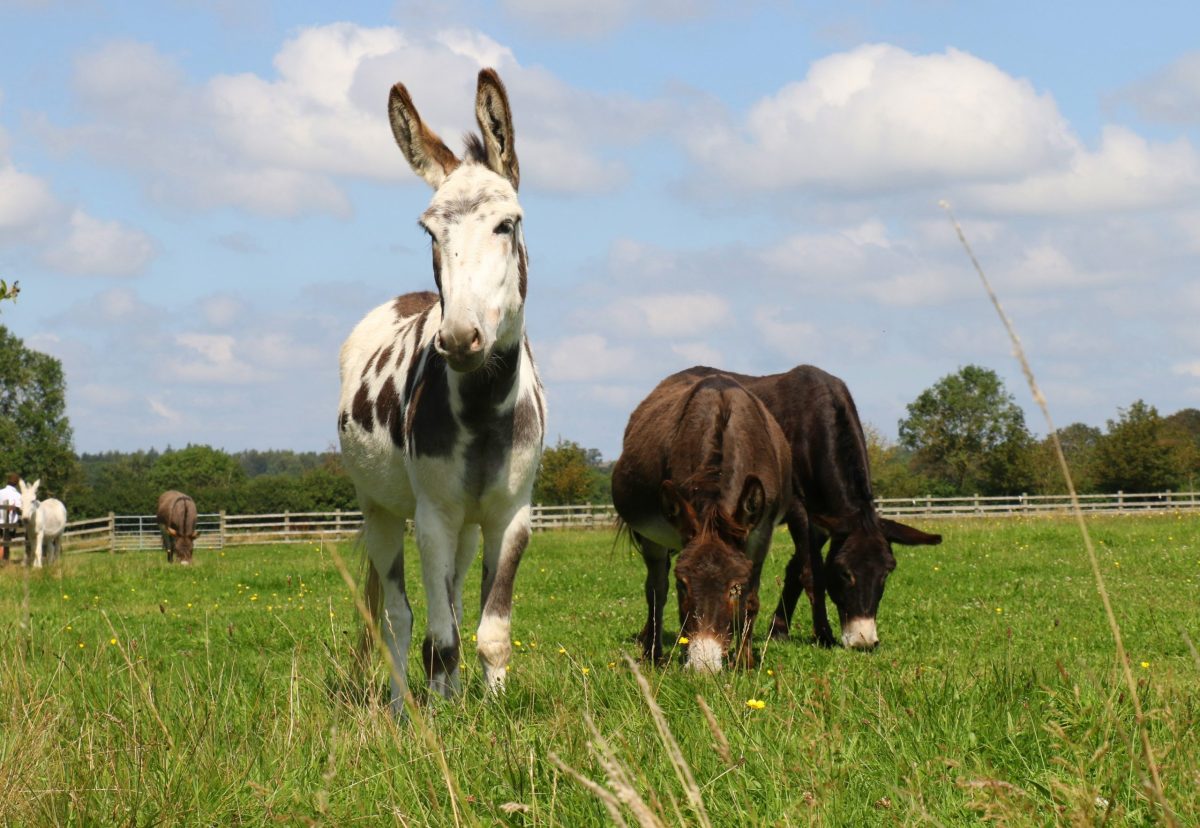
As families flock to seaside resorts and farm parks this bank holiday, calls grow to protect the welfare of working donkeys
For generations, the sight of donkeys plodding patiently along British beaches has been woven into the fabric of the great British seaside holiday.
Children laughing atop saddled backs, families queueing for rides, and the gentle, familiar presence of these animals have long been associated with carefree summer memories.
But new research from international animal welfare charity The Donkey Sanctuary suggests that behind some of these cherished traditions lies a troubling reality.
As temperatures are set to soar over the bank holiday weekend, the charity is urging visitors to seaside resorts, farm parks and petting zoos to think carefully about the welfare of donkeys before paying for rides or attractions.
The appeal comes alongside the publication of new research in the journal Veterinary Record, which reveals widespread welfare concerns among working donkeys across the UK, and raises serious questions about whether current licensing systems are adequately protecting the animals.
Researchers assessed 179 donkeys relinquished into The Donkey Sanctuary’s care between 2015 and 2023. Many had come from licensed commercial operators, either voluntarily surrendered or removed following interventions by authorities, sometimes with support from organisations including the RSPCA.
The findings paint a concerning picture. Almost all of the donkeys assessed were suffering from poor health, including back pain, lameness, low body weight, and inadequate dental or hoof care. Nearly three quarters of the animals had previously worked as beach donkeys.
The study also highlights how the role of donkeys in Britain has evolved dramatically in recent years. While traditional seaside rides remain common, donkeys are now increasingly used in farm parks, petting zoos, films, media appearances, and even in roles supporting human wellbeing.
According to the researchers, these changing commercial demands have introduced new and often overlooked welfare challenges.
Dr Tamlin Watson, Senior Researcher at The Donkey Sanctuary and lead author of the study, said the problems are not necessarily rooted in cruelty or deliberate neglect, but in the limitations of the current system.
“Licensing authorities are expected to oversee an incredibly diverse range of premises from gambling venues to theme parks and zoos, often without the specialist knowledge or resources required to properly assess animal welfare in a diverse number of species.
“We were recently involved in a continuing professional development (CPD) online event for farm parks at which 79 per cent of attendees were local authority officers. The success of that event suggests there is an appetite for specialist training and a genuine desire to ensure the welfare of animals under licence. Further events are planned for 2027,” she said.
Dr Watson also stressed the importance of specialist veterinary expertise in safeguarding donkey welfare.
“Greater access to veterinary expertise is essential to ensure welfare assessments are robust and evidence based. However, our research suggests that vets too sometimes need a better understanding of donkey welfare needs.”
The research concludes that licensing alone does not guarantee positive welfare outcomes for donkeys, even where veterinary oversight is formally required.
Instead, The Donkey Sanctuary says there needs to be a more informed and coordinated approach to protecting working donkeys as their commercial roles continue to expand.
With visitor numbers expected to surge over the holiday weekend, the charity is asking the public to take a moment to observe the condition and treatment of donkeys before supporting attractions financially.
Among the questions visitors are being encouraged to consider are whether the donkeys appear healthy and content, whether they have access to fresh water and shelter, and whether harnesses or equipment appear ill fitting or are causing discomfort.
The charity is also urging people to consider whether donkeys are being asked to carry unreasonable weights, and whether handlers are behaving appropriately towards both animals and passengers.
Anyone concerned about a donkey’s welfare is being encouraged to report issues to the relevant local authority and avoid using the service.
The Donkey Sanctuary, headquartered in Devon, provides lifelong care to more than 7,000 donkeys across the UK and Europe through sanctuaries and guardian homes, while also supporting international welfare programmes worldwide.
For many people, donkeys remain a treasured symbol of childhood summers and rural life. The charity hopes this latest research will encourage the public not to turn away from that tradition, but to help ensure it survives with compassion, dignity and proper care at its heart.
The Donkey Sanctuary is urging people visiting farm parks or seaside resorts where donkey rides are offered to consider the welfare of the animals involved before paying for services.
Information about what to look for is on The Donkey sanctuary website: Donkeys in tourism | The Donkey Sanctuary. Any concerns should be reported to the local authority.
Comments (0)