
Starmer Announces Social Media Ban for Under-16s in Major Online Safety Shake-Up – NATIONAL NEWS
Children under the age of 16 will be banned from accessing major social media platforms under sweeping new measures announced by Prime Minister Sir Keir Starmer.
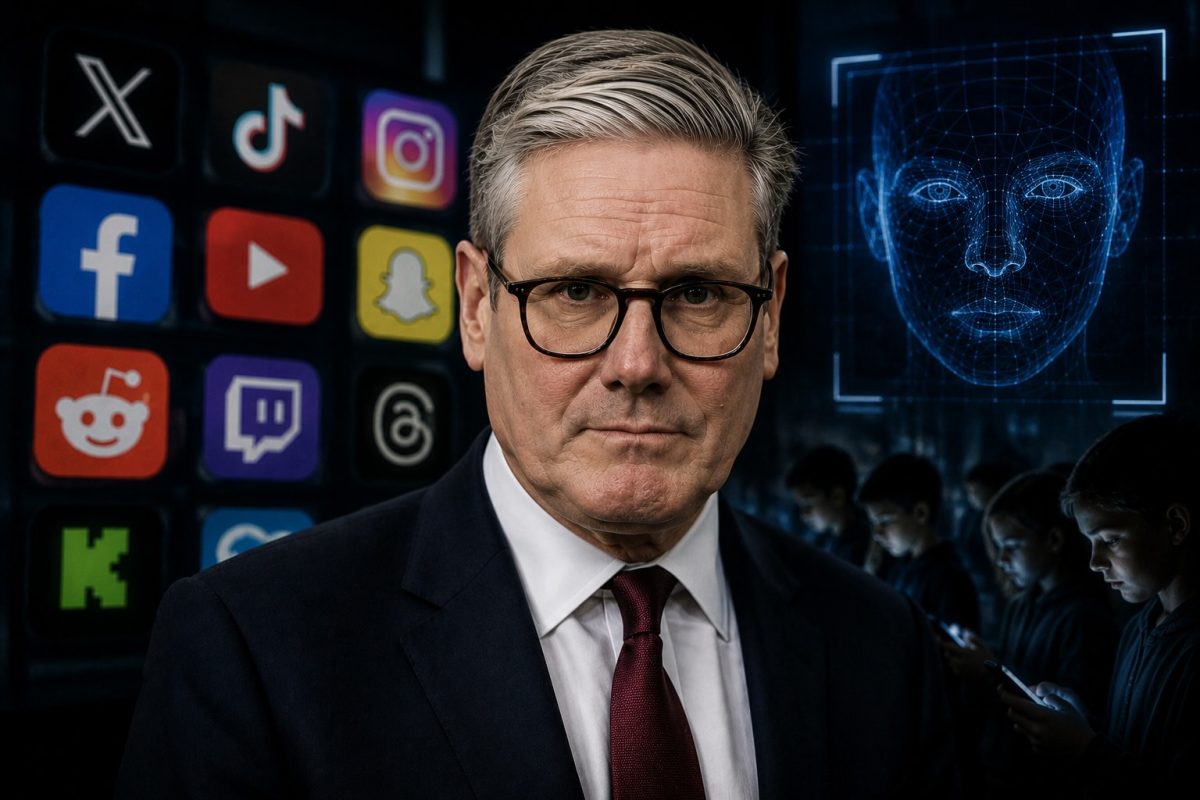
The plans, which are expected to affect platforms including X, TikTok, YouTube, Instagram, Facebook, Snapchat and Reddit, represent one of the most significant government interventions in online activity ever proposed in the UK.
Announcing the policy, Sir Keir said:
“We are banning social media access for under 16s.
“These days kids must find their feet in a world where technology intrudes into every area of their life.
“I just can’t let that go on anymore. So we’re giving children their childhoods back.”
The Government says the move is designed to protect young people from harmful content, online bullying and addictive features that encourage excessive screen time.
Alongside the ban, ministers are also considering restrictions on social media use by 16 and 17-year-olds and the introduction of age-verification technology, potentially including facial age-estimation systems and digital identification checks.
The proposals have already sparked a fierce political debate.
Conservatives have questioned the apparent contradiction of banning under-16s from social media while pressing ahead with plans to lower the voting age to 16. Shadow Education Secretary Laura Trott described reports of social media curfews for older teenagers as “a joke”.
Questions have also been raised about how quickly the Government has moved following its recent consultation on online safety, which attracted more than 100,000 responses and only closed weeks ago.
Critics have further noted that while ten major platforms are expected to be covered by the ban, the social media platform Bluesky does not currently appear on the list.
The omission has prompted questions about why X, Facebook, Instagram, TikTok and other major platforms are included while Bluesky appears to have escaped the restrictions. Ministers have not yet publicly explained why Bluesky is not among the platforms affected.
Some commentators have also pointed out that Bluesky has become increasingly popular among users who left X following Elon Musk’s takeover of the platform, leading to calls for greater transparency over how the Government selected the services covered by the ban.
Civil liberties campaigners have also expressed concerns about the wider implications of age-verification technology and the powers ministers may use to implement future online restrictions. Some have warned that systems introduced to verify users’ ages could raise privacy concerns if they rely on facial scanning technology or digital identification checks.
The proposals have also reignited concerns about government overreach. While some supporters argue measures are necessary to protect children online, critics warn that age-verification systems, social media restrictions and powers granted through secondary legislation could create precedents for future governments to impose wider controls on online activity.
A spokesperson for the Great British PAC, which campaigns on constitutional accountability and government transparency, said the debate should extend beyond online safety and focus on how such powers are created and exercised.
“Everyone wants children protected online, but that cannot become an excuse for governments to accumulate ever greater powers with ever less scrutiny.
“The growing use of Henry VIII powers should concern people of all political views. Today it is social media restrictions, tomorrow it could be something else entirely.
“Changes affecting privacy, free expression and the way people communicate should be decided by Parliament after full debate, not pushed through by ministers using secondary legislation.”
The Government insists the reforms are necessary to protect children in an increasingly digital world and says it is prepared to take on major technology companies to ensure the measures are enforced.
However, the proposals are likely to fuel a wider debate about where the balance should lie between child protection, privacy and individual freedoms, particularly as details emerge about how the restrictions will be enforced and what powers ministers may hold to expand them in future.
Details of exactly how the restrictions will operate, and when they will come into force, are expected to be announced in the coming months.
The platforms expected to be covered by the under-16 ban include X, TikTok, YouTube, Snapchat, Instagram, Reddit, Facebook, Twitch, Kick and Threads.
What do you think? Do you support the Government’s plans to ban under-16s from social media, or do you believe the measures go too far? Are tougher protections for children online long overdue, or are concerns about privacy, facial scanning technology and government overreach justified? Email your views to [email protected] or join the debate on our social media channels.
Comments (0)