
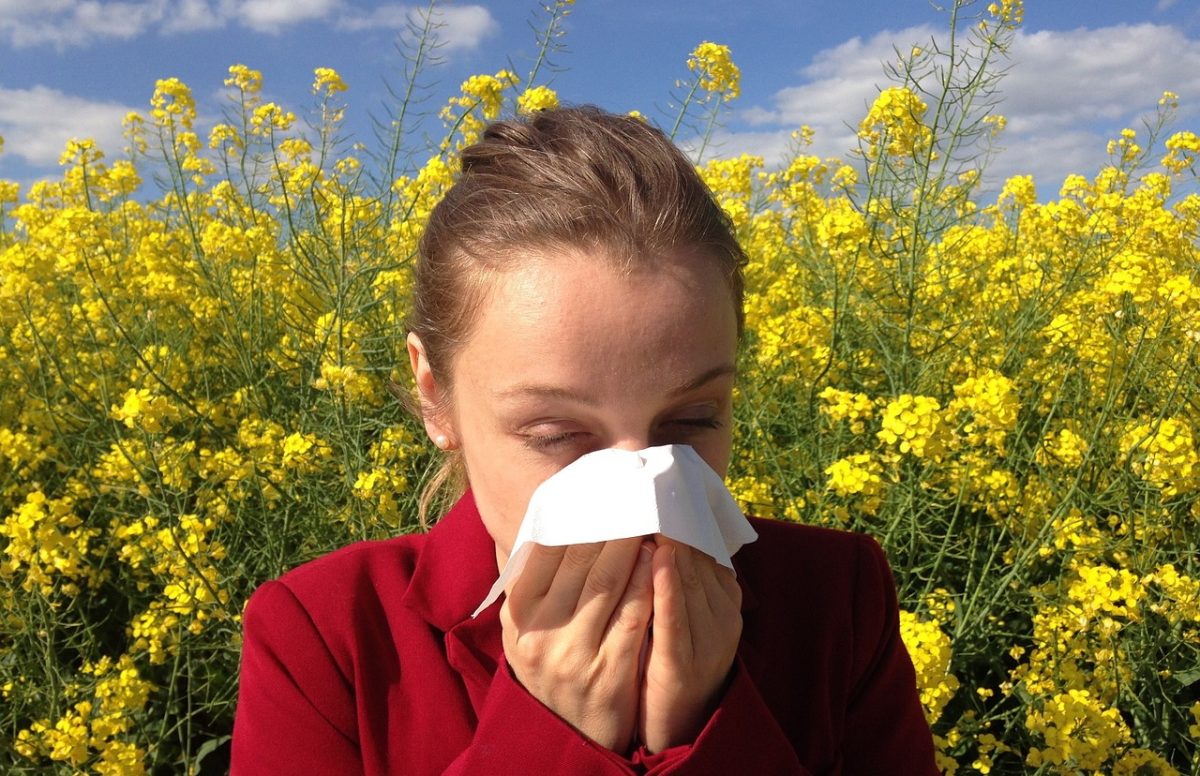
Hay fever season in the UK lengthens as climate patterns shift
Millions of people across the UK are facing longer and more intense hay fever seasons, with new research suggesting symptoms can now last up to two weeks longer than in previous decades.
Scientists say changing climate conditions are altering when plants release pollen, extending the period many sufferers experience irritation.
The report, published in The Lancet Public Health, brings together findings from dozens of international researchers. It highlights that common European trees, including birch and alder, are beginning their pollination cycles earlier than they did in the 1990s. This shift, observed over recent years, points to a broader trend linked to warmer temperatures and changing seasonal patterns.
Experts say that earlier flowering means pollen is circulating in the air for longer periods, increasing exposure for those with allergies. Hay fever, also known as allergic rhinitis, is triggered when the immune system reacts to pollen from grasses, trees and weeds. Symptoms often include itchy eyes, sneezing, headaches and fatigue.
Warm, dry weather, increasingly common during UK spring and early summer, can worsen the problem. These conditions help pollen spread more easily through the air, sometimes leading to sudden spikes in concentration. For many, this results in what health professionals describe as severe symptom days, where discomfort becomes difficult to manage.
Health organisations warn that the impact goes beyond mild irritation. For some individuals, hay fever can disrupt sleep, reduce concentration and affect daily productivity. In schools and workplaces, this can translate into missed days or reduced performance. Respiratory charities also note that pollen can aggravate existing conditions such as asthma, in some cases triggering serious breathing difficulties.
Despite the growing burden, treatments remain focused on managing symptoms rather than curing the condition. Pharmacists and allergy specialists recommend a combined approach, using antihistamine tablets, nasal sprays and eye drops. These medications, widely available without prescription, target different parts of the allergic response and are considered safe for most people when used correctly.
Alongside medication, practical steps can help reduce exposure. Showering and changing clothes after spending time outdoors can remove pollen from the skin, while keeping windows closed during high pollen days may limit indoor exposure. Wearing sunglasses outdoors and applying a small amount of balm around the nostrils can also act as a barrier.
Household habits can make a difference too. Regular cleaning helps remove pollen brought inside on clothing or pets, and avoiding drying clothes outdoors during peak periods can prevent pollen from settling on fabrics.
For those with severe symptoms, medical advice is recommended. While most cases can be managed with over the counter treatments, a small proportion of sufferers may be referred for specialist care. In these cases, immunotherapy may be considered, a longer term treatment that gradually desensitises the immune system to pollen.
Researchers stress that further study is needed to understand whether climate change is not only extending the pollen season, but also increasing the amount of pollen produced. For now, the evidence suggests that hay fever is becoming a longer lasting seasonal challenge, one that may continue to evolve as environmental conditions change.
For hay fever advice from the NHS click here: https://www.nhs.uk/conditions/hay-fever/
Comments (0)